Gazeta Wyborcza (english edition)


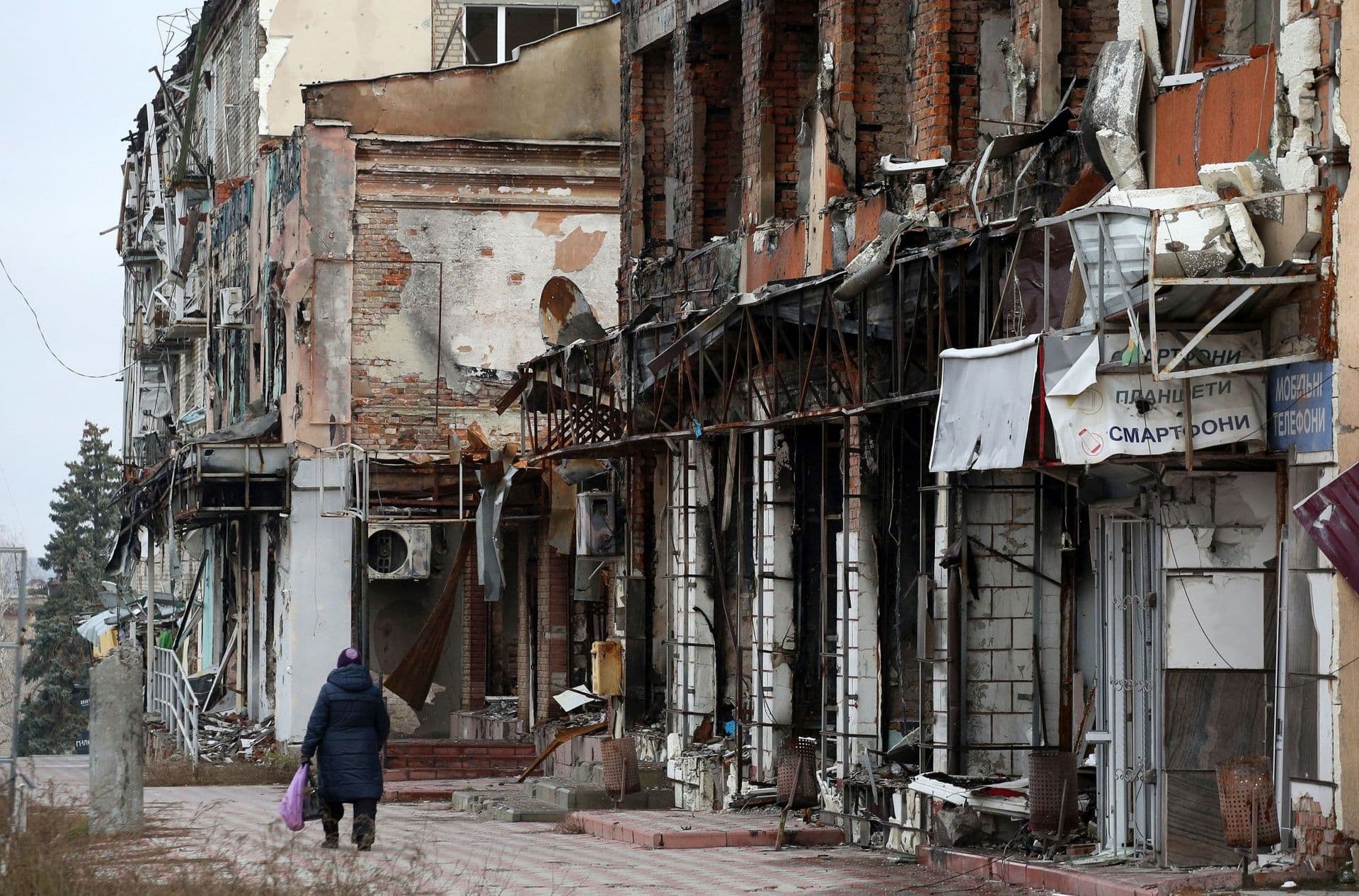
Izium became one of the most devastated Ukrainian cities during the invasion; its occupation by Russian forces and subsequent liberation by the Ukrainian army exemplify both Ukraine’s resilience and clear evidence of Russian war crimes. The purpose of this presentation is to provide an overview of the events of Izium’s occupation and liberation, highlight their significance through the lens of witnesses (such as journalist Kostiantyn Hryhorenko), and underscore the importance of preserving historical memory and truth.
Brief Chronology of Events
• Invasion begins (Feb 2022): On February 24, 2022, Russia launched a full-scale assault on Ukraine, striking targets across the country, including the Kharkiv region. The city of Izium – a key transportation hub in eastern Ukraine – immediately came under threat from the Russian advance in the war’s opening days.
• City falls to occupiers (Mar 2022): In early March 2022, Russian troops entered Izium; enemy tanks and armored vehicles appeared on the streets. The city suffered heavy bombardment and shelling, and the occupiers began repressing the local population. Ukrainian defenders, after fierce fighting, were forced to retreat; by April 1, 2022, it was confirmed that Izium had fallen completely under Russian control.
• Occupiers’ actions: The Russian invaders quickly established an occupation regime – Ukrainian communications and media were cut off and replaced by Russian propaganda. On March 27, the occupiers removed the Ukrainian flag from the newspaper’s building and tore down the Ukrainian coat of arms from its gate, eliminating symbols of Ukrainian statehood.
• Looting and destruction: In early April, a rotation of Russian units in Izium brought in fresh troops who continued looting and destruction. They ransacked both public and private buildings. At the newspaper office, all remaining property was stolen or destroyed: locks were broken, the garage was smashed, safes were pried open, and even heating radiators were ripped off the walls. It became typical of the occupiers that they would wreck and pillage the very buildings they occupied. The soldiers also repurposed the newspaper premises for military use – quartering troops inside, stockpiling ammunition, and even positioning an anti-aircraft gun in the courtyard – recklessly putting nearby homes and a church at risk.
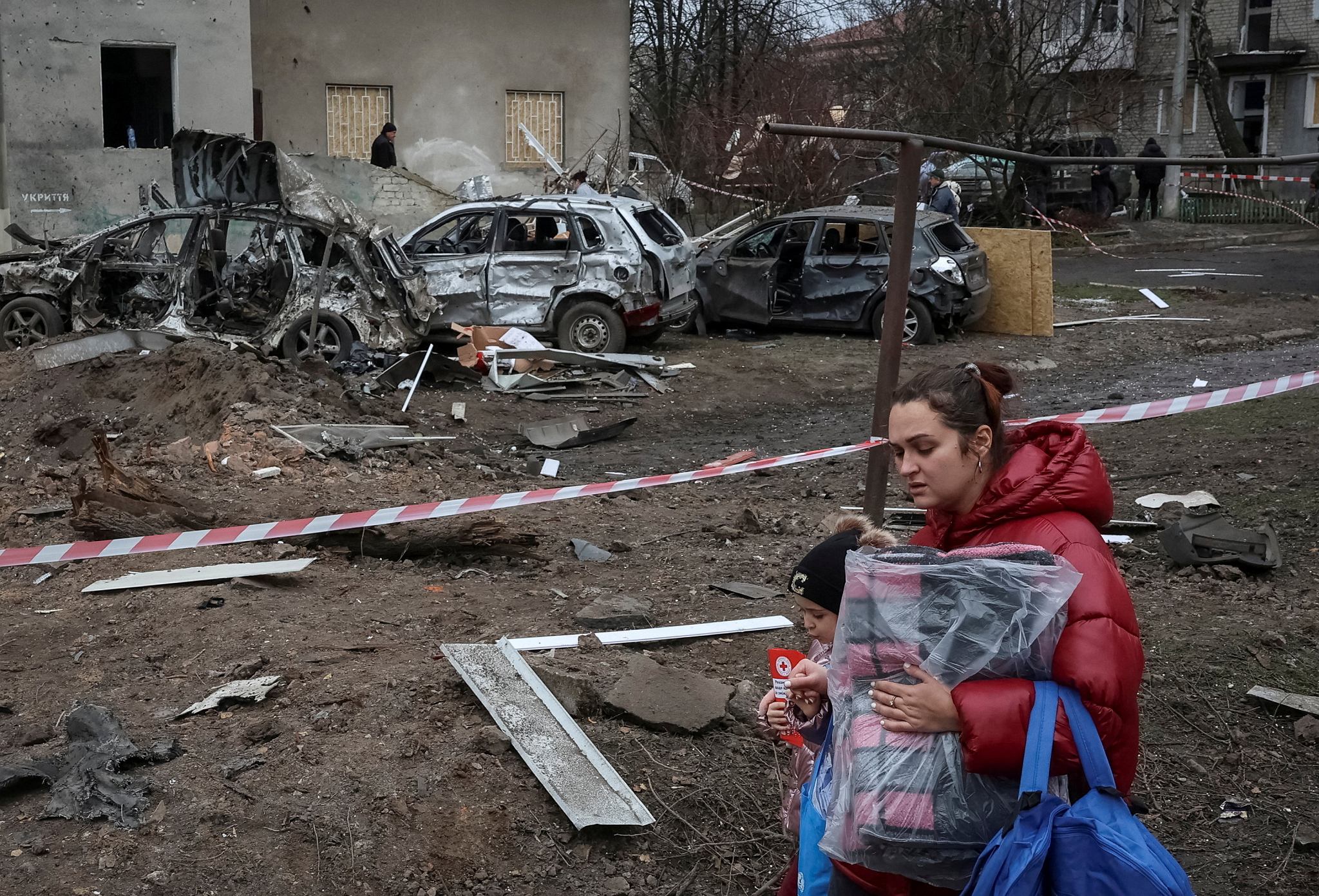
• Life under occupation: For over five months (March to early September 2022), Izium remained under harsh Russian occupation. Residents lived without electricity, gas, or running water; many sheltered in basements amid constant explosions. Countless buildings were damaged or destroyed, and humanitarian aid rarely reached the city. People cooked over open fires, and the few volunteers who managed to get in brought basic supplies and relief. The occupation authorities tried to impose a semblance of normalcy – installing a collaborationist administration, distributing Russian “humanitarian aid,” and introducing the ruble currency. In the summer, the occupiers even attempted to revive the local newspaper under a pro-Russian name (“Iziumsky Telegraf”), cleaning the ruined newsroom and recruiting staff for this collaborationist paper, but the project failed before any issue could be published.
• Ukrainian counteroffensive (Sep 2022): In early September 2022, the Ukrainian Armed Forces launched a lightning counteroffensive in Kharkiv region. Russian lines collapsed, and the occupiers hastily abandoned most of the occupied towns and villages. On September 10, 2022, Ukrainian units entered Izium, fully liberating the city from Russian control. According to witnesses, the sight of the first Ukrainian soldiers brought tears of joy to many residents’ eyes.
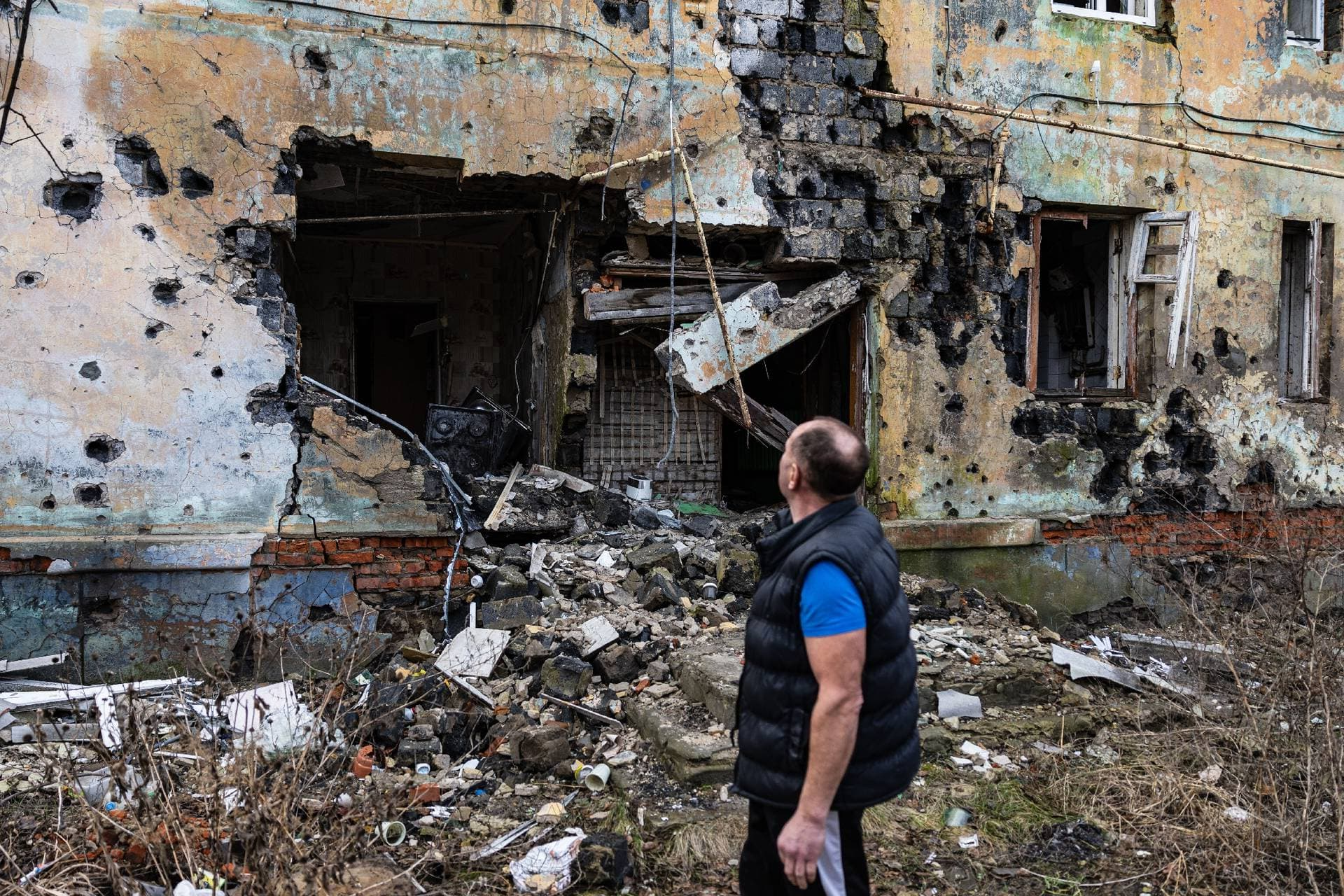
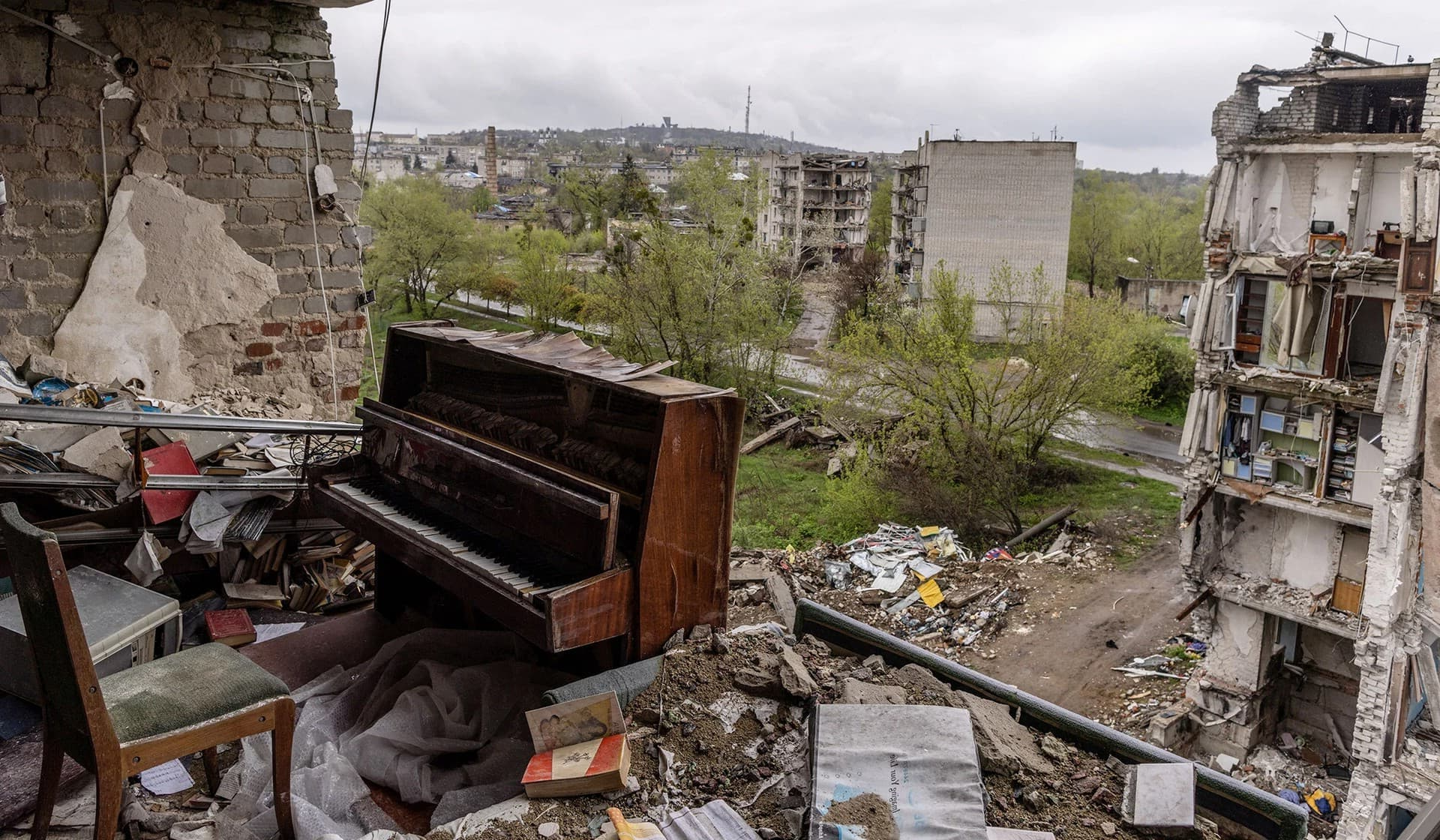
• Aftermath of occupation: The scale of Izium’s destruction was enormous – the city was roughly 80% ruined. As of late September 2022, Izium still had no basic utilities, and thousands of people were left homeless. Horrific war crimes also came to light: a mass burial site was discovered in the woods near Izium containing 447 bodies, mostly civilians, many bearing signs of torture and violent death. Overall, Ukrainian authorities believe that over 1,000 civilians were killed in Izium during the battle and occupation – a staggering number that stands as proof of the “death that Russia leaves behind” in occupied territories.
The Role of Kostiantyn Hryhorenko as Witness and Journalist
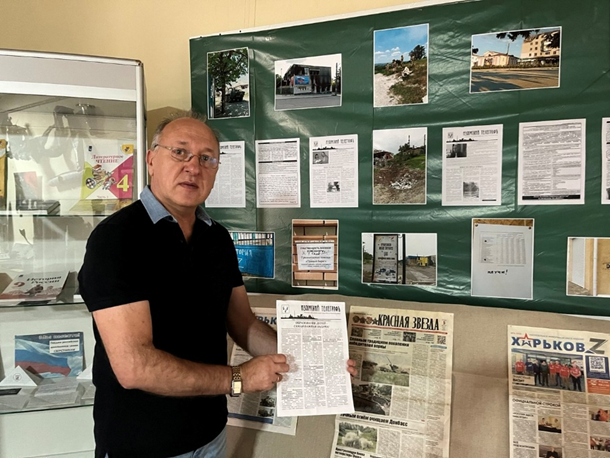
Kostiantyn Hryhorenko – editor-in-chief of Obrii Izyumshchyny newspaper – has documented Izium’s wartime story as a journalist and witness. Hryhorenko was in Izium when the war began: on February 24, 2022, his newsroom managed to put out an issue reporting the start of the Russian invasion. In the days that followed, the situation in the city deteriorated rapidly – Russian rockets and bombs relentlessly struck residential areas.
Early in the war, Hryhorenko’s family received word that unknown people were asking “who is Kostiantyn Hryhorenko” – a warning that he was a target. Realizing the danger, on March 4 – one day before Izium was overrun – he and his family evacuated the city. Despite leaving, Hryhorenko did not abandon his mission: from exile, he supported colleagues, gathered information, and recorded eyewitness accounts coming out of occupied Izium. Immediately after the liberation of Izium in fall 2022, with support from the National Union of Journalists of Ukraine, Kostiantyn resumed publishing his newspaper, quickly restoring its operations (advertising and distribution).
As a dedicated local journalist and eyewitness, Hryhorenko collected numerous residents’ testimonies and evidence of the occupiers’ crimes. He also spearheaded the creation of the Izium Occupation Museum, an initiative to gather and preserve physical evidence of the Russian occupation of the city.
Photographic Materials: Artifacts of the Occupation
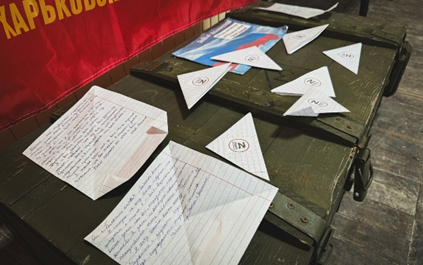
Ukrainian troops found these propaganda letters shown above in Izium after the occupiers fled. In them, the children thank Russia’s “defenders” and urge them to “return home with victory”. Now displayed in the museum, these letters serve as direct evidence of how the Russian regime enlisted even children’s support for the war.
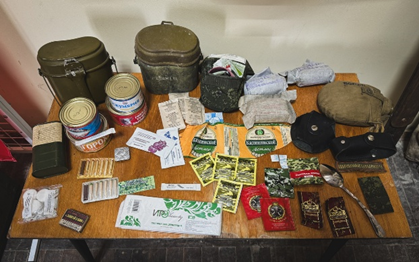
After liberation, local residents collected many such items: canned food, sugar, tea, matches with Russian labels, etc. These items have been turned over to Izium’s occupation museum as evidence of the invaders’ day-to-day presence. In total, the museum’s collection has grown to over 200 various artifacts from the occupation period – from pieces of munitions and military uniforms to propaganda newspapers and leaflets.
Conclusion
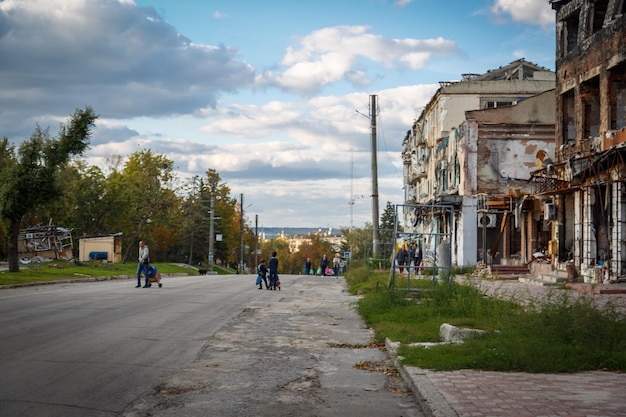
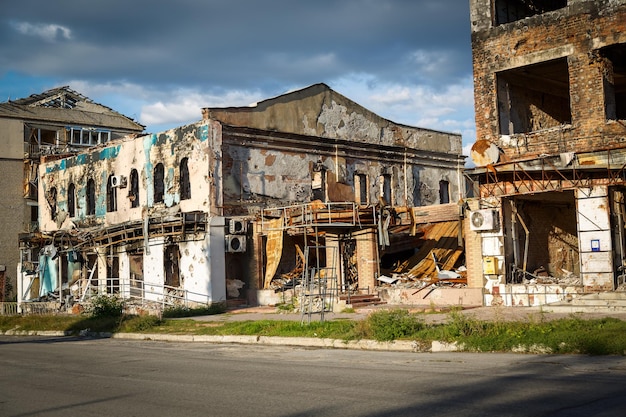
The story of Izium’s occupation and liberation is a sobering reminder of the terrible cost of Russia’s aggression, as well as a testament to the courage and resilience of the Ukrainian people.
Recording and remembering these events is vitally important to achieving justice and preventing the distortion of history. As Kostiantyn Hryhorenko emphasizes, the aim of creating the museum is to document and gather a body of evidence of Russia’s war crimes so that the aggressor cannot falsely dismiss the invasion as a “civil conflict” or label its victims “actors”.
Preserving the memory of what happened has both a moral and practical dimension: “History can be rewritten, but evidence is evidence,” notes one Izium resident who contributed artifacts to the museum. The eyewitness accounts (such as editor Mykola Kalyuzhny’s story or Hryhorenko’s reports), the photos of destruction, the children’s letters from Russia, and the mass graves — all are truths that cannot be denied.
By honoring Izium’s victims and heroes and meticulously documenting every crime, Ukraine and the world help ensure that those responsible are held accountable and that historical truth triumphs over lies.