For Western countries, sex education in schools has been in place for years and doesn’t provoke strong reactions. In Central and Eastern Europe, attempts to introduce it still meet with opposition.

Sex education in Polish schools has been controversial for years. This year, the introduction of health education as a subject was accompanied by numerous protests. Although the programme has been positively assessed by experts, it has still provoked public opposition, especially among right-wing circles and the Church. How does sex education in Polish schools compare to the rest of Europe?

What will children learn in health education?

Health education in Poland is available to children from the fourth grade of primary school. The subject is optional, is not graded, and does not affect promotion to the next grade. Previously, the subject was called ‘Family Life Education’. Although it included elements of sex education, these were limited. It was also not adapted to contemporary realities.

The new subject's curriculum covers topics such as physical activity and healthy eating, building relationships, caring for the environment, making informed health decisions, coping with stress and emotions, and countering misinformation on the internet. It also includes elements related to sex education, such as understanding the process of puberty and setting boundaries in intimate relationships. It is these elements that have sparked widespread political and social controversy surrounding health education in Polish schools.

Initially, health education was to be a compulsory subject, but after protests across the country at the beginning of the calendar year, it was decided that the classes would be voluntary. As a result, the vast majority of parents withdrew their children from the subject, deciding that they would not participate in it.

Low attendance at health education classes in Polish schools

For example, in Warsaw, 86 per cent of secondary school pupils have opted out of health education. The situation is slightly better in primary schools, with around 43 per cent of pupils in the capital attending health education classes.

The situation is similar in other cities: in Kraków, approximately 33% of pupils will attend health education classes; in Łódź, approximately 39% of pupils. In Wrocław, as many as 92% of secondary school pupils have opted out of health education, and slightly over 56% in primary schools.

There are also schools where all pupils have opted out of health education, and the headteachers of some institutions make no secret of the fact that there are so few willing pupils that they have to be combined into groups consisting of several classes. This is also not easy due to different lesson plans.

Edukacja zdrowotna wzbudza wiele emocji wśród rodziców
Health education arouses strong feelings among parents. Shutterstock, author: Michkasova Elena

She also emphasised that the Church and right-wing politicians were to blame for the subject not being compulsory. ‘We are fighting the misinformation that has been flowing from some media outlets and most pulpits,’ said the minister. She added: "Parents say that this is a very necessary subject. But when it was organised by the school as the ninth lesson on Friday, there were other plans. And this is, unfortunately, a consequence of the subject being optional. We are treating this year as a time to get the subject well established. And to combat fake news.

How do the right wing and the Church scare people with sex education?

Recent months have seen many statements, and even entire campaigns, whose participants strongly opposed health education in Polish schools. However, the slogans often did not refer to the actual curriculum of the new subject, but were based on populism and scaring parents with ‘the sexualisation of their children’ or ‘the introduction of gender ideology into Polish schools’.

The classes were widely criticised by right-wing politicians and representatives of the Church. ‘Let's protect our children and grandchildren from systemic demoralisation’ read the leaflets distributed in many churches just before the start of the school year.

There is no question that for the proper psychophysical development of a child, the right place to grow up is the family, understood as a union between a woman and a man. The basis does not mention responsible and conscious parenthood. There is no mention of the fact that life begins at conception and is protected by Polish law, including, above all, the Constitution,‘ wrote the authors of the leaflet. Arguments about the ’corrupt West‘, where children in schools are ’sexualised", were also repeated, and posters and graphics featuring drag queens were used to scare people.

Banery przeciwko edukacji zdrowotnej w Głogowie
Banners against health education in Głogów Mateusz Komperda / MyGlogow.pl

Polish President Karol Nawrocki also announced that he had withdrawn his child from health education classes. ‘Under the innocent-sounding name of this subject, attempts are being made to smuggle ideology and politics into Polish schools, and this cannot be allowed,’ he argued.

"You, in particular, should care about the health of children and public trust in teachers who impart knowledge wisely and sensitively. And knowledge about addiction prevention, exercise, mental health, relationship building and respect for others – which is also what this subject is about – will be useful to everyone," emphasised Minister Nowacka in her response.

Will health education be compulsory in Polish schools?

However, it is worth adding that many parents and pupils justified their decision to opt out of the classes with arguments other than conservative views or ‘fear of the sexualisation of children’. What is more, some admitted that classes of this type are very much needed. They argued that pupils already have a lot of classes, so they do not want to burden them with another hour at school. This was especially true in secondary schools, where pupils are preparing for their final exams and devote more time to studying for them. It was there that this argument was often decisive and led to the final decision to opt out.

According to data from the Ministry of Education, despite low attendance at schools, 54% of Poles have a positive opinion of the introduction of health education. Only 27% have a negative opinion.

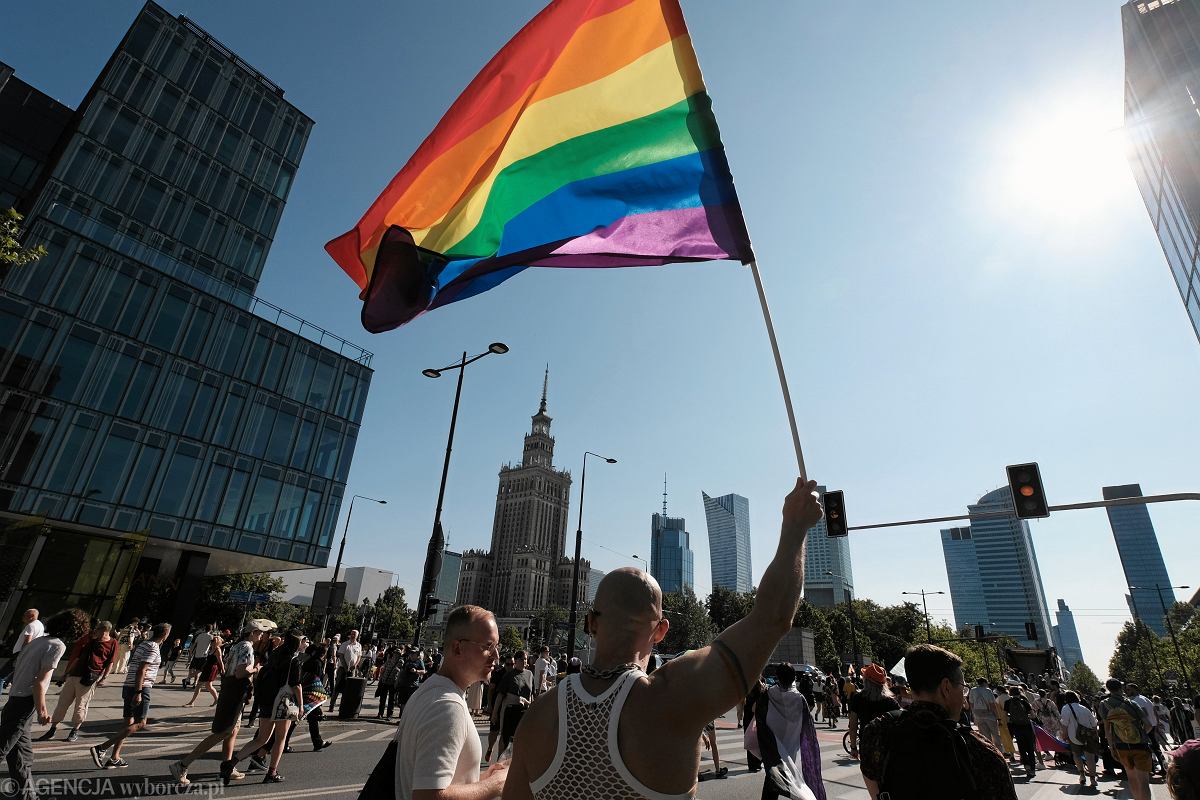
1.12.2024, Warszawa, protest przeciwko edukacji zdrowotnej
1 December 2024, Warsaw, protest against health education Photo: Kuba Atys / Agencja Wyborcza.pl

- Sex education does not corrupt, but protects against violence, manipulation, disease, shame, loneliness and misinformation, said Dr Łukasz Rypicz from the Medical University of Wrocław, who trains health education teachers, in an interview with Wyborcza. Other experts have expressed similar views on health education in Polish schools..

Minister Nowacka also announced that at the end of the school year there will be an evaluation of health education in schools, and ‘students and teachers, not politicians, will be asked for their opinions.’ She added that there is a possibility that the subject will then become compulsory.

Sex education in Croatia only available in a few cities

The situation regarding sex education in Croatia is somewhat similar to that in Poland. To date, comprehensive sex education has not been introduced into the national school curriculum, and Višnja Ljubičić, the Croatian Ombudsman for Gender Equality, emphasises that according to research (including by the Croatian Institute of Public Health), 80% of children and young people in Croatia obtain their knowledge about sex education from the internet.

In Croatian schools, sex education is taught as part of the subject ‘Health’. However, the curriculum is very general and broad, and only one hour per school year is devoted to sexuality.

That is why various non-governmental organisations have been campaigning in Croatia for years for the introduction of comprehensive sex education in schools, which would cover not only biological facts, but also issues related to, among other things, consent to intimate contact, recognising violence in relationships and gender stereotypes.

However, it is worth noting that in Croatia, specific cities may introduce optional classes in schools within their area. It was on this basis that the city authorities in Rijeka introduced sex education into schools as an experimental class last school year. It is taught as part of health education and is not compulsory.

Zagreb voluntarily introduces sex education

In September, the authorities in Zagreb, the capital of Croatia, also established a commission to develop a health education programme for primary schools, which includes sex education.

- We are guided by the fact that we see gaps in the curriculum. Health education will cover four topics: mental health, healthy lifestyles, addiction prevention, and sexual and reproductive health, as well as other topics that the committee deems important, explained Luka Juroš, Director of the Office for Education, Sport and Youth of the City of Zagreb.

These classes are to be introduced in schools in the Croatian capital in the next academic year. Although associations campaigning for the introduction of sex education in Zagreb wanted it to be a separate subject, they appreciate this first step in that direction.

- We advocated comprehensive sex education because it is a completely different concept from health education. But we are glad that the city will at least start some kind of programme in primary and secondary schools. It is extremely important to consider not only health aspects. We understand that in primary schools, greater emphasis will be placed on puberty and the body, but we hope that the latter element will be reinforced in secondary schools, says Sanja Cesar from the CESI foundation.

Lekcje w szkole - zdjęcie ilustracyjne
Lessons at school – illustrative photo Photo: Tomasz Stańczak / Agencja Wyborcza.pl

In Austria, schools benefit from the assistance of specialists.

The situation is different in Austria, where sex education is part of the curriculum from primary school onwards, falling within the area of education on Depending on the type of school, sex education is included in subjects such as ‘general studies’ (primary school), biology and environmental protection, religion, psychology and philosophy.

In 2015, the Austrian Ministry of Education stated: ‘Contemporary sex education is understood today as a form of school education that begins in early childhood, is adapted to the age of the child, and continues into adulthood.’

Sexuality is described as ‘a positive potential inherent in human beings’, which is why children and young people should receive ‘information and skills’ in this area ‘to enable them to treat themselves and others responsibly’. ‘Parents play a key role in this process, alongside institutions such as nurseries and schools,’ the document states.

Schools in Austria can decide for themselves whether sex education will be provided internally or outsourced to external specialists who have been vetted for quality. The Ministry has a special department for quality assurance of external institutions offering sex education in schools. List of qualified specialists that Austrian schools can use is available on the internet.

Young people want to know more about sex and menstruation

However, last year's report on health in the context of gender, commissioned by the Ministry of Health, revealed gaps in sex education in Austria. The document shows that 72 per cent of young people would like to expand their knowledge of sexual and reproductive health. Boys are primarily interested in contraception and sexually transmitted diseases, while girls are also interested in the menstrual cycle.

In 2022, the Austrian Institute for Family Studies presented a study entitled ‘Aspects of Quality Assurance in Sex Education in Austrian Schools’. It showed that eight out of ten teachers address sex education topics in class more often in primary and special schools than in secondary schools, and female teachers do so more often than male teachers. The lessons cover a wide range of topics, but usually only a small number of hours are devoted to them (up to six hours per year per class, less often up to ten). About half of the teachers feel prepared for this thanks to training.

What Austrian teachers discuss better and what they discuss less well

The study also shows that topics such as feelings, physical development and emotions were particularly well covered, while other issues such as sexual health and social media were neglected.

Teachers in Austria who feel well prepared almost always implement sex education. About one-third use the support of external specialists (most often in the form of counselling centres). 

According to the survey, half of those questioned would like sex education to be better regulated and expanded in terms of the number of hours, and for quality standards for teachers to be binding. 

New subject on sex education in France

In France, sex education has been compulsory since 2001. In practice, however, for a quarter of a century, this subject remained almost exclusively on paper and was not implemented. According to an official report from 2021, ‘less than 15 per cent of pupils attend three [sex education] sessions during the school year,’ reported Le Monde. 

Therefore, after years of discussion, starting this school year, all children in France attend compulsory sex education classes. These classes are designed to combine three areas of knowledge and skills: biological, psycho-emotional, and legal-social. The programme is divided into two parts: emotional and relational education (EVAR) in kindergartens and primary schools, and emotional, relational and sexual education (EVARS) in secondary and post-secondary schools.

The first stage, for the youngest children, does not include sex education, although it does cover topics such as “preventing gender-based violence” and “understanding your body”. At a later stage, issues such as learning to respect bodily privacy, equality between women and men, combating discrimination based on gender and sexual orientation, and education on the ‘principle of consent’ to intimate contact are also addressed.

Szkoła, uczniowie (zdjęcie ilustracyjne)
School, pupils (illustrative photo) Photo: Tomasz Stańczak / Agencja Wyborcza.pl

"(..) Sex education reflects the collective commitment of the nation. In addition to the role of parents and families, it is compulsory and implemented throughout the country, both in public and private schools, on a contractual basis. This education is based on the principles and values of the Republic, including equality, universal access to education and secularism," we read. in the official introduction to the new subject in France.

However, as Le Monde describes, ‘the ministry had to face mistrust from conservative circles, the Catholic right and the far right, who believe that such teaching has no place in schools.’

- It is clear today that sexism is on the rise, emphasised French Education Minister Elisabeth Borne, arguing for the need to introduce real sex education in schools.

Uneven level of sex education in Lithuanian schools

Litwa znajduje się w grupie ostatnich krajów w Europie (razem z Włochami, Bułgarią, Węgrami, Cyprem czy Polską) bez formalnych i obowiązkowych programów edukacji emocjonalnej i seksualnej w szkołach. W 2023 r. wprowadzono w tamtejszych placówkach przedmiot o nazwie "umiejętności życiowe", który zawiera elementy edukacji seksualnej. Są one jednak jedynie częścią znacznie szerszego programu, dotyczącego m.in. edukacji emocjonalnej, zapobiegania używaniu substancji psychoaktywnych czy umiejętności udzielania pierwszej pomocy.

Lithuania is among the last countries in Europe (along with Italy, Bulgaria, Hungary, Cyprus and Poland) without formal and compulsory emotional and sexual education programmes in schools. In 2023, a subject called ‘life skills’ was introduced in local schools, which includes elements of sex education. However, these are only part of a much broader programme covering, among other things, emotional education, prevention of psychoactive substance use and first aid skills.

The programme also includes discussions on topics such as sexually transmitted diseases, the impact of early sexual activity on health, and contraception. However, these topics are only a small part of the ‘life skills’ course.

Lithuanian schools are free to invite doctors and other lecturers to present these topics. However, it is important to agree this with the school community and pupils' parents.

Sex education classes are rare in many Lithuanian schools.

In practice, the level of sex education in Lithuanian schools is very uneven and often fragmented. In many schools, lessons are held irregularly – often only once or twice a year, sometimes only formally, for example, a film about putting on a condom is shown or contraceptive methods are briefly mentioned. There are also students who emphasise that they have not had a single sex education lesson in two years.

"Students often feel disregarded because they believe that the school and adults consider them too young or too stupid for such topics. This causes frustration and a lack of motivation to take an interest in such lessons," according to Lithuanian media reports.

Some understand that teachers may feel uncomfortable teaching these topics, especially in younger classes, where some pupils laugh or are unable to concentrate. However, young people themselves emphasise that avoiding the subject only reinforces the taboo and is not conducive to their development. A significant proportion admit that they obtain their knowledge of sex education from friends or the internet.

In Romania, the debate is highly ideological 

Romania is also among the countries where sex education is not compulsory in schools, and the subject remains a matter of public debate. Education Minister Daniel David, deciding that sex education should not be taught, argued that ‘the debate has become highly ideological, and any attempt to turn it into a discipline or label it as such generates discussions that can no longer be controlled scientifically or programmatically. There is no way to control them.’

He agreed with the need to provide children with access to relevant information on sex education, but in a form that is ‘non-ideological, very pragmatic, natural’ and ‘without ideological interference’.

Therefore, sex education in Romanian schools is only taught as part of the optional subject of health education, and pupils' participation in it requires written consent from their parents. This consent can be easily withdrawn, and the Romanian Ministry of Education does not seek to encourage participation in these classes. As a result, the vast majority of students in Romania do not take part in this subject.

Health education is available to pupils from the first to the twelfth grade, but topics related to sexuality, such as the transmission of sexually transmitted diseases and contraception, are only covered from the eighth grade onwards.

Collaboration: Marina Kelava (H-Alter.org), Lisa Nimmervoll (Der Standard), Voxeurop, Ieva Kniukštiene (Delfi.lt), Stefania Gheorghe (HotNews.ro).

This text was produced as part of the PULSE project, a European initiative supporting international journalistic cooperation.

PULSE
PULSE 

This article is available under a Creative Commons BY-NC-SA 4.0 licence, which covers non-commercial purposes only and does not authorise the creation of derivative works. Republishing requires the inclusion of the authors' names and information about the project with a direct active link to the article page.

Article author: Wojciech Podgórski
Similar articles
hFDfd6No6Jb/4XgZWVeV442Z7GDehA8wXj1XOcKMFmk=